Author: Sonal Singh, PhD on January 26, 2021 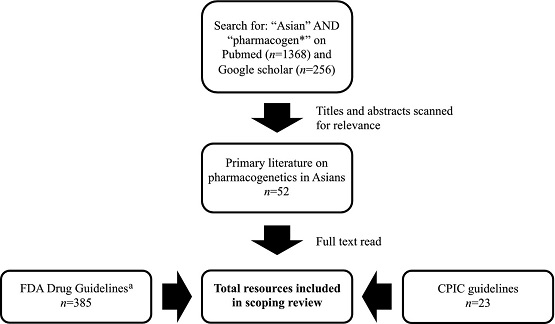
Pharmacogenomics has emerged as a cornerstone of precision medicine for optimizing individualized drug therapies based on the genetics of the patient. So far, pharmacogenomics research and clinical implementation has largely relied on the generalization that the pharmacogenetic variants have similar effects across different population subtypes and dosing recommendations are largely based on these generalizations. However, it is well known that stark differences exist in the allele and genotype frequencies of many pharmacogenetic polymorphisms between different race and ethnic populations, which result in very different drug responses as well as adverse events. This calls for an increased focus on population specific pharmacogenomics research as well as inclusion of ethnically diverse cohorts for optimizing efficacy and safety of individualized drug therapies.
There has been a growing interest in understanding the pharmacogenomics of Asian subpopulations as they make up for more than 60% of the world’s population and are also one of the fastest growing ethnic groups within the US. However, to date no race or ethnicity-based guidelines have been formulated that can guide clinical drug use. A review article “Pharmacogenomics in Asian Subpopulations and Impacts on Commonly Prescribed Medications” by Lo et al., published in Clinical and Translational Science, highlights these very limitations and drawbacks of adopting generalized pharmacogenomic prescription guidelines without considering the race or ethnicity based differences in the genetic makeup of the patients. The authors have summarized the most well studied and established pharmacogenetic differences in the Asian population based on the current literature, keeping in context the CPIC guidelines and FDA warnings. They have further grouped the most commonly prescribed drugs as per the main disease classes—cardiology, oncology, neurology/psychiatry, rheumatology, and infectious disease. The review highlights some of the key differences in the pharmacogenomics of Asian subpopulations relevant to these drugs to alert practitioners to prescribing considerations and provide the clinician with some knowledge of reactions that may be important to look for in Asian populations.
This paper is a step in the direction of raising awareness about precision medicine and pharmacotherapy, keeping the race and ethnic differences of Asians in purview. To make pharmacogenomics a larger part of clinical practice these efforts will lay the foundation and aid the evolution of ethnicity/race specific prescribing or dosing recommendations in a clinically meaningful way.

The comment feature is locked by administrator.