Author: [AUTHOR] Published on 8/1/2026 12:00:00 AM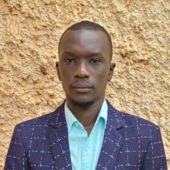
Henry Enzama, MS, Maternal, Infant, and Lactation Pharmacokinetics Group, Infectious Diseases Institute (IDI), Makerere University, Kampala, Uganda
Why did you become a member of ASCPT?
I became a member of ASCPT to engage more deeply with the global clinical pharmacology and translational science community and to contribute to advancing model-informed drug development, particularly for underserved populations.
How does being a member of ASCPT help you connect with the global clinical pharmacology community?
ASCPT connects me with a diverse network of researchers and clinicians through its conferences, publications, and special interest groups, enabling collaboration and exposure to cutting-edge approaches in pharmacometrics and systems pharmacology.
What professional accomplishment are you most proud of?
I am most proud of developing and validating a physiologically based pharmacokinetic (PBPK) model of hydroxyurea in pediatric populations to support safer dosing in resource-limited settings. I also value my contributions to the Maternal, Infant, and Lactation Pharmacokinetics group at the Infectious Diseases Institute in Uganda, where I advance drug optimization for vulnerable populations.
What has been the greatest challenge in your career?
One of the greatest challenges has been conducting research in data-limited settings, particularly for understudied populations in Africa. This has driven me to apply modeling and simulation approaches to bridge evidence gaps and support informed clinical decision-making.
How do you keep focused and motivated?
I stay motivated by a clear vision of improving drug therapy for vulnerable populations through evidence-based approaches, and by the opportunity to contribute meaningfully to global health.
Henry has been a member of ASCPT since 2024.
