Author: Arravinth Anantharajah, MS, LCGC on April 23, 2026 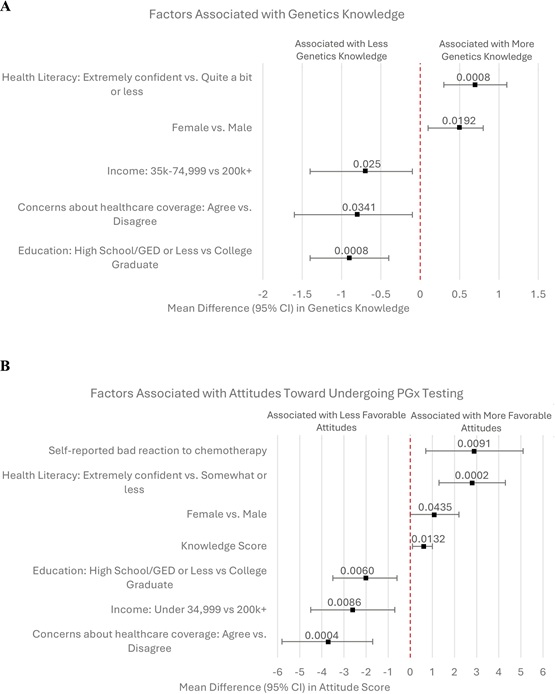
Pharmacogenetics (PGx) is a form of precision medicine that applies knowledge of drug-gene interactions to maximize effectiveness and reduce toxicity of medications. Given the elevated risk of severe, and sometimes life-threating, chemotherapy-associated toxicities in genetically susceptible patients, gastrointestinal oncology is a promising area for pre-treatment PGx testing. Yet despite growing evidence supporting genotype-guided dosing (particularly for DPYD and UGT1A1 variants), PGx testing remains inconsistently implemented in routine care. One overlooked barrier is the patient perspective. In our study, Consent, Concern, and Capacity, we examined how patients with gastrointestinal cancers understand PGx testing, how willing they are to undergo testing, and which factors most strongly shape their attitudes. Over 80% of patients were willing to undergo PGx testing in each of the six clinical scenarios provided. A large proportion of patients, however, expressed non-clinical concerns related to PGx testing.
Surveying patients enrolled in a biobank and a pragmatic implementation trial, we found that greater genetics knowledge and higher self-reported health literacy were strongly associated with favorable attitudes toward PGx testing. Conversely, concerns about insurance discrimination were linked to reduced willingness to test. Notably, nearly 70% of participants worried that PGx results could be used to deny health insurance coverage, highlighting persistent misconceptions despite existing legal protections such as the Genetic Information Nondiscrimination Act (GINA). Patients also expressed a clear preference for transparency: most wanted PGx testing to be explicitly discussed, consented to, and explained in terms of how results would directly affect their cancer treatment.
These findings underscore that successful translation of PGx into oncology practice requires more than clinical infrastructure—it demands patient-centered implementation strategies. Tailored education, clear provider communication, and proactive discussion of ethical and financial concerns may help bridge gaps in understanding and trust. As oncology PGx becomes more commonplace, integrating patient preferences and addressing health literacy are essential to ensuring that pharmacogenetic tests equitably improve cancer care rather than widen existing disparities.

The comment feature is locked by administrator.