Author: Mikako Goto, MD on September 22, 2026 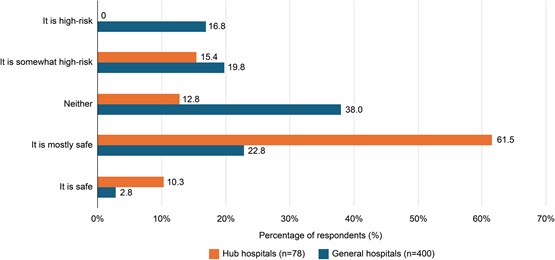
In clinical pharmacology, one of the central challenges is translating real-world evidence into drug labeling that clinicians can use confidently in daily practice. While the FDA’s Pregnancy and Lactation Labeling Rule (PLLR) introduced a more narrative and evidence-based approach to risk communication, drug labeling in Japan remains largely standardized and continues to rely heavily on preclinical animal reproduction studies. In our study, we found that this regulatory framework is associated with clear differences in how physicians interpret drug safety information during pregnancy, particularly between specialists at hub hospitals and physicians in general practice.
Our survey suggests that package insert wording based primarily on preclinical “contraindicated” classifications can become a major barrier in routine care. General physicians were more likely to avoid prescribing out of caution, whereas specialists at hub hospitals more often incorporated epidemiological evidence into individualized risk–benefit assessments. For patients, this gap may lead to inequitable access to appropriate treatment depending on where they receive care. For clinicians, it highlights the need for improved drug labeling information that better reflects real-world evidence as well as therapeutic benefit. Updating Japanese package inserts in this way could help reduce disparities in care and address persistent unmet needs in maternal healthcare.

The comment feature is locked by administrator.